
Why Both Services Are Essential for Commercial Kitchens
Grease traps do more than just catch the fats, oils, and grease (FOG) that flow from sinks and dishwashers—they’re a frontline defense against plumbing disasters and health code violations. But maintaining them properly involves more than a quick inspection or occasional emptying. Understanding the difference between grease trap pumping and grease trap cleaning is crucial for keeping your system running efficiently and in compliance with local regulations. While the two terms are often used interchangeably, Philadelphia Grease Trap Services serve distinct purposes in the maintenance process.
Grease trap pumping focuses on removing the accumulated contents of the trap—grease, food solids, and wastewater that settle inside the tank. This step prevents overflow and blockages, especially when the trap reaches capacity. Pumping is typically done using specialized vacuum equipment that extracts the material through a hose, clearing out the tank quickly. However, while pumping is effective at emptying the trap, it doesn’t address the sticky residue that clings to the walls, baffles, and piping within the system.
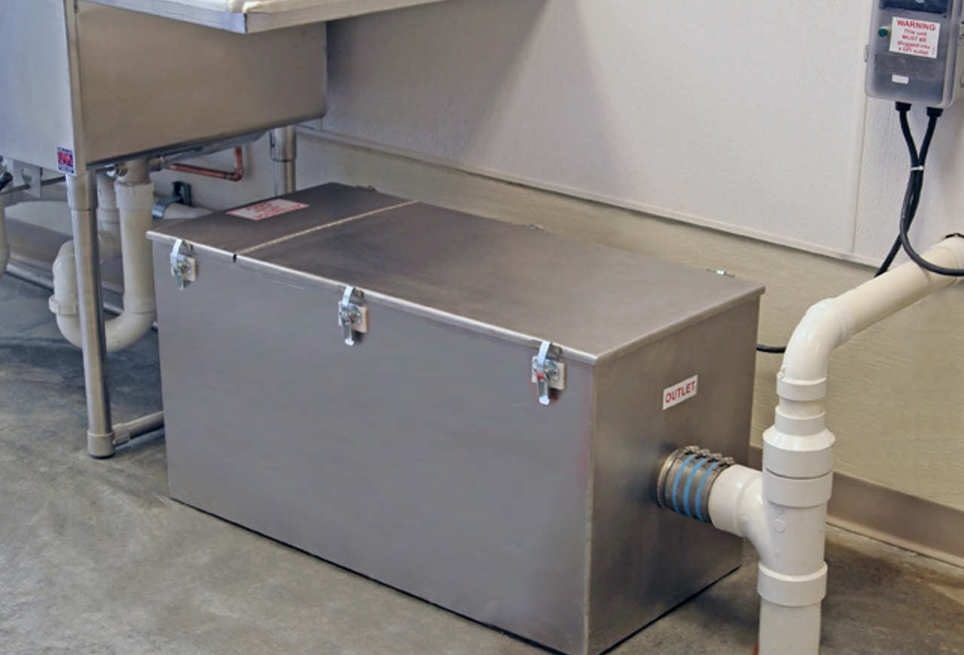
That’s where grease trap cleaning becomes essential. Cleaning goes beyond just removing the bulk waste—it involves scrubbing and pressure washing the interior of the trap to eliminate hardened buildup and lingering contaminants. This deep-clean process restores the system to near-original condition and ensures that fats and solids don’t quickly re-accumulate or cause odors. A trap that’s only pumped but not cleaned can develop long-term efficiency issues and even contribute to sewer overflows if grease slips through due to leftover deposits.
Regular grease trap maintenance, which includes both pumping and thorough cleaning, keeps your commercial kitchen running without interruption. It also ensures compliance with environmental and health codes, many of which require documentation of service frequency and disposal methods. A professional provider will typically assess the trap’s condition and recommend a custom schedule based on usage levels and trap size. When handled correctly, grease trap servicing becomes one less thing to worry about—protecting your plumbing, your kitchen staff, and your business reputation.